
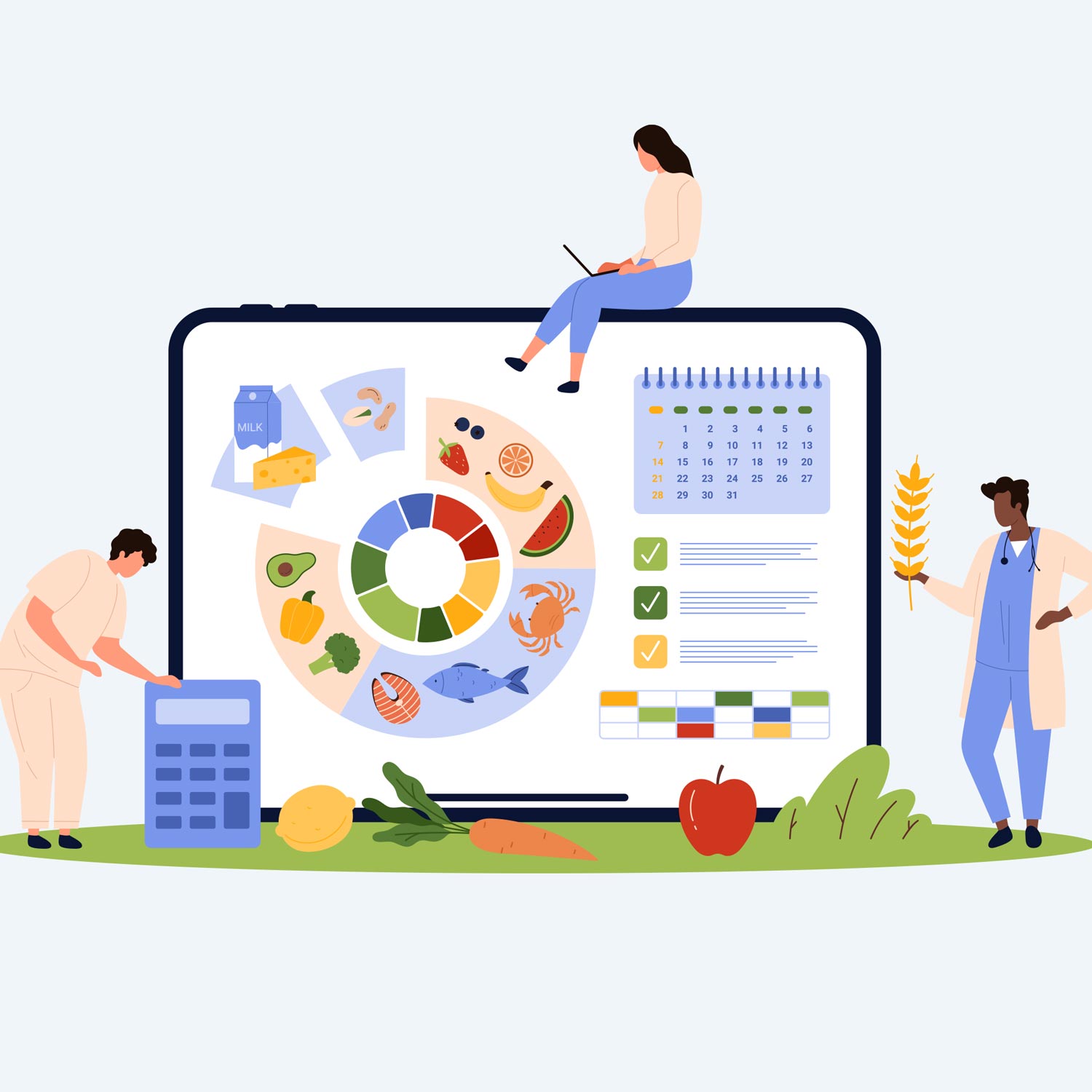
FIM is strongly connected to the broader context of social drivers of health, including food insecurity, challenges with housing or transportation, lower income or education, and physical disability. However, FIM programs are not social services, but rather clinical services delivered within health care and tailored to patient medical needs.
Understanding how health care-based FIM programs like MTM, MTG, and PRx relate and can connect patients to broader food resources can complement and extend their impact. Thus, health care-based FIM strategies should also integrate public benefit program resources (e.g., federal nutrition security programs like SNAP, WIC, school meals, and meals for the elderly) and local food resources (e.g., food pantries, other community food resources) to extend a broader array of benefits to patients.
Food and Nutrition Security Policies and Programs
- Facilitates community partner engagement
- Focus on equitable distribution and affordability
- Examples: Healthy Incentives Program, Healthy Food Financing Initiative
Broader Social Driver Policies and Programs
- Supports household access to resources that reduce tradeoffs between healthy food and other costs
- Focus on access and affordability
- Examples: Federal rental assistance, Lifeline program
Nutrition Security Programs
FIM is not about access to sufficient food alone, but about providing the right foods as part of prevention, treatment, and disease management.
Federal nutrition security and local food resource programs are increasingly acknowledging the importance of not only promoting food security, but also nutrition security—the consistent access, availability, and affordability of foods and beverages that promote well-being and prevent and if needed, treat disease.
WIC, for example, is in many ways the original MTG program for pregnant women and young children. Nutritional standards for school meals have been episodically strengthened by Congress, and some districts such as New York City have added additional stronger nutrition standards.
SNAP has traditionally had less of a focus on nutrition, outside of SNAP-education, but incentive programs like GusNIP and new state waivers to restrict certain product categories like soda or candy aim to strengthen SNAP’s impact on nutrition security.
Local food banks have increasingly embraced healthier food access for their communities, prioritizing fresh produce and turning away certain ultra-processed products that may harm health. Models such as food pharmacies located in or partnered with health care settings allow providers to prescribe or refer patients to receive free or low-cost produce and groceries that support their care plan.
PDF: Food Bank FIM Partnership ▶
A variety of other community and social service resources can support a patient’s ability to reliably access healthy food. For example, transportation assistance programs can help patients reach clinics, food pharmacies, or grocery partners. Similarly, programs that provide support for housing, utilities, or other essential needs can reduce the financial tradeoffs that make consistent access to nutritious food challenging. When designing FIM programs, health care teams can consider how to connect patients with these existing federal, state, and local resources as part of comprehensive care.