

Although FIM interventions vary in design, target population, and intervention components, the overall evidence suggests FIM programs improve food and nutrition security, diet quality, health care utilization, and health outcomes.
Evidence of Clinical Benefits for Select Patient Populations
All Populations
Evidence demonstrates improvements in food security, nutrition security, diet quality, and mental health and well-being across all program types (MTM, MTG, PRx).
Patients with Type 2 Diabetes
All program types are associated with reductions in HbA1c among participating patients. MTG and PRx programs additionally demonstrate improvements in diabetes self-management and reductions in diabetes-related distress.
Patients with Hypertension
All program types are associated with clinically meaningful reductions in blood pressure.
Patients with High-Risk Pregnancy
MTM programs are associated with reductions in inpatient admissions and emergency department utilization, as well as improvements in glycemic control among patients with gestational diabetes. MTG and PRx programs are associated with improved diet quality (e.g., increased fruit and vegetable intake) and reductions in preterm birth and low-birthweight outcomes.
Medically Complex, High-Utilizer Patients
All program types are associated with reductions in emergency department utilization and total health care costs. MTM programs additionally demonstrate reductions in hospitalizations and all-cause mortality.
Patients with Obesity
MTM programs demonstrate weight reduction. MTG and PRx programs show modest, variably significant reductions in body weight, with more consistent effects on diet quality and cardiometabolic risk factors.
Section 2.4: Key Considerations to Design & Support Best Practices ▶
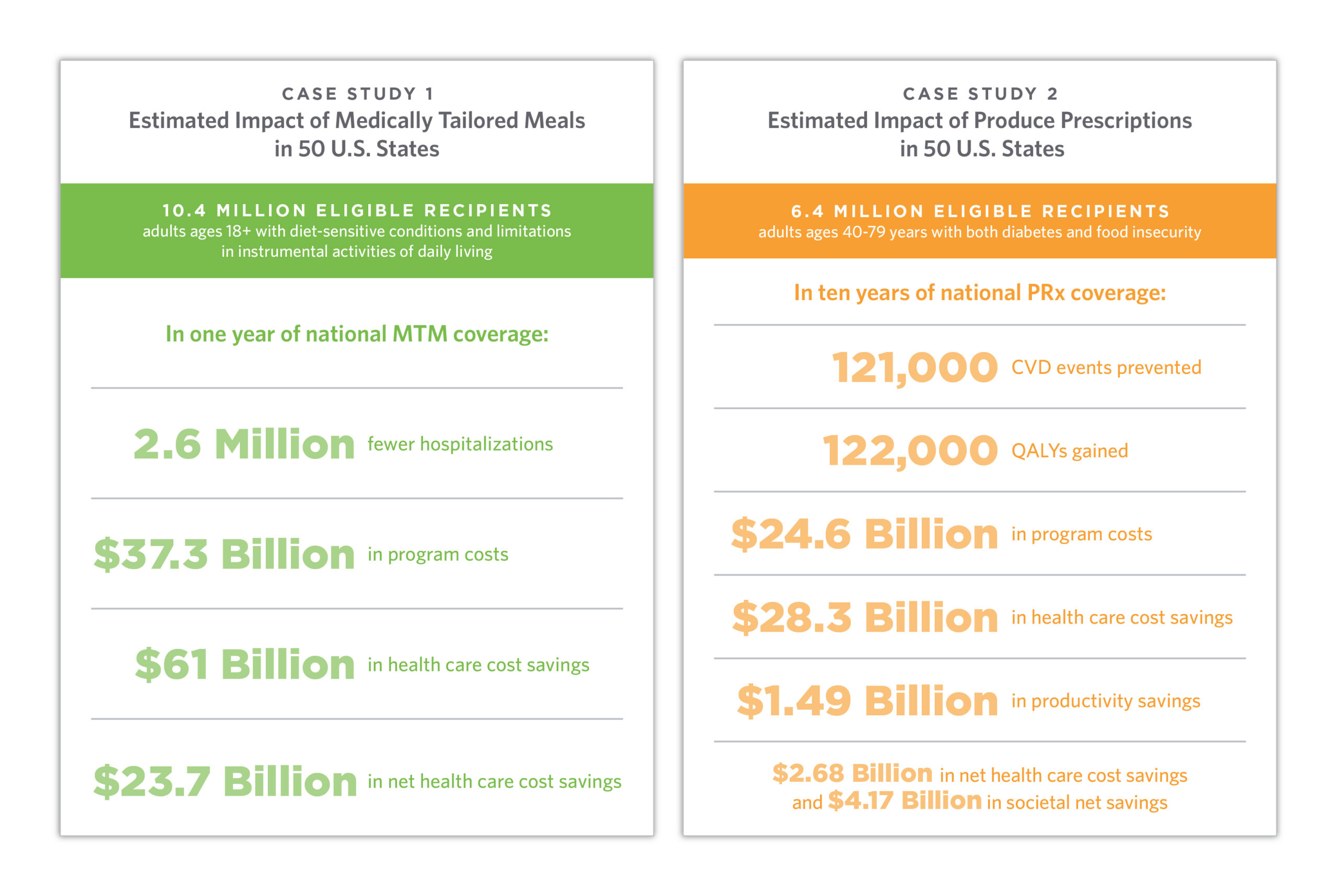
Health and Economic Benefits of FIM Programs
Two national case studies evaluating the health and economic benefits of MTMs and produce prescription programs provides the first “true cost” analysis of implementing Food is Medicine programs across the country. Learn more here.
Addressing Patient Care Challenges with FIM ▶